Otoplasty or ear surgery, is a good solution for people who are self-conscious about how far their ears stick out. It involves incisions behind the ears to either reduce cartilage or to help recreate a fold in the ear that did not curve properly during development. As a general matter, the scars can be hidden behind the ears and will heal as relatively fine lines. Dr. Jason Lichten, our board-certified plastic surgeon in Columbus, has performed otoplasties on both children and adults. Adult patients can usually have the procedure done with local anesthesia, but he will typically use general anesthesia for younger patients. Most patients recover from otoplasty relatively quickly and can return to work or school in about three days.
Explore Topics On This Page:
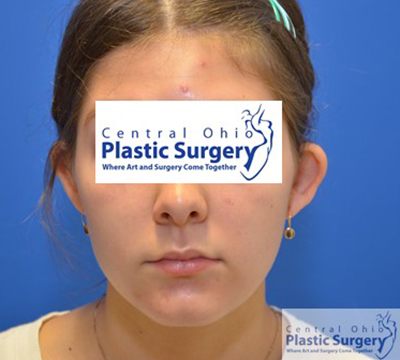
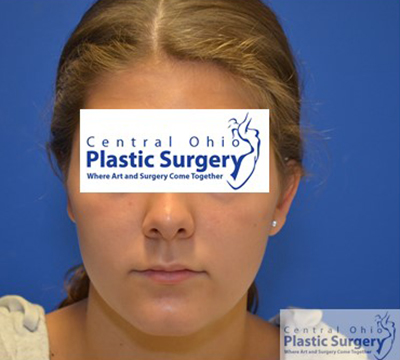
Otoplasty (Ear Pinning) Before-and-After Photos
Frequently Asked Questions about Otoplasty
How painful is the procedure?
The average patient will take pain medicine for a couple of days after surgery and then at night for a few more nights to help you sleep.
What will my recovery be like?
Initially, you will have a firm protective dressing over your ears. You will need to keep the dressing dry and on your ears for three days. After the initial three days, the dressing can be removed and you will be able to shower and leave your ears uncovered during the day. For the first week, however, you will need to protect your ears with either the Ace wrap or a headband at night. For the first three weeks, you must not wear any shirts that have to be pulled over your head. It is very important to follow this protocol to reduce the risk of undoing your surgical result.
Most of my patients can return to work or school with normal activity in about three days. Strenuous activities should be avoided for one week. In addition, you should avoid any activity where there is the risk of trauma to the ears for a month after surgery.
Where will my scars be? Will they be noticeable?
Dr. Lichten will generally put otoplasty scars behind your ears, where they typically heal as relatively fine lines. Occasionally, but rarely, a patient will develop a keloid scar, which is thick and painful. If that occurs, he will treat it with steroid injections and potentially revise the scars. If you have a history of keloid scars, please let Dr. Lichten know.
I think my ears are uneven. Will surgery help to make them look the same? What will my ears look like after surgery?
Most people’s ears are asymmetrical, but it is harder to tell if they are close to the head. When ears stick out, the asymmetry is more noticeable. Although Dr. Lichten will be able to make your ears more even with surgery, any remaining asymmetry should be less visible because your ears will be closer to your head.
His goal in every case is to make “natural” looking ears with a normal degree of projection.
When should my son or daughter have otoplasty?
By the time he or she is three-years-old, the ears will be 85% of their adult size. Because children on the playground can be critical of differences in other children, I recommend the surgery any time after age three and before starting school to reduce any potential psychological effects on the child.
“Dr. Jason Lichten & staff are very professional and caring and put you at ease during all parts of the process. Very pleased with everything!”